Subluxation Treatment Brooklyn, NY
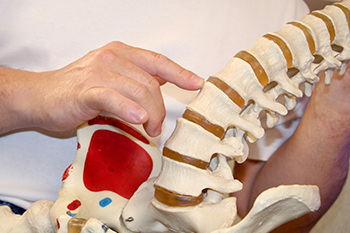
Subluxation occurs when a vertebra in the spine is misaligned or moves out of its proper position, putting pressure on the surrounding nerves. This can lead to pain, inflammation, restricted movement, and even impaired nerve function. Over time, subluxations may contribute to issues like headaches, back pain, or discomfort in other parts of the body, as the nervous system struggles to function optimally.
Subluxation Causes
Caused by factors such as poor posture, stress, injury, or repetitive motion, subluxation can affect your overall health by disrupting the body’s ability to communicate efficiently through the nervous system. Left untreated, this condition may lead to chronic pain or further joint problems.
Subluxation Management
Chiropractors focus on identifying and correcting subluxations through gentle adjustments. These treatments help restore alignment, reduce nerve pressure, and promote the body’s natural ability to heal. If you suspect a subluxation is contributing to your pain or discomfort, consider chiropractic care as a way to restore balance and improve overall well-being.

 Request Appointment