Muscle Spasms Relief Brooklyn, NY
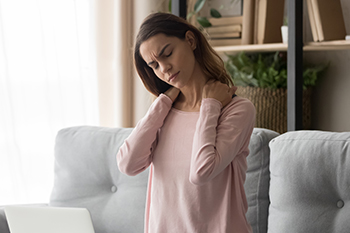
Muscle spasms are sudden, involuntary contractions of one or more muscles that can cause intense pain and discomfort. They often occur when muscles are overworked, fatigued, or dehydrated, but they can also be triggered by poor posture, nerve irritation, or underlying conditions such as arthritis or disc problems. Common in the back, neck, legs, and even the hands, muscle spasms can range from mild twitching to severe, cramping pain that makes movement difficult. When muscles contract involuntarily, blood flow may be restricted, which can exacerbate pain and prolong recovery time.
When Muscle Spasms Need Professional Care
While over-the-counter pain relievers and muscle relaxants may provide temporary relief, they do not address the underlying causes of muscle spasms. Chiropractors use spinal adjustments to correct misalignments that can contribute to nerve irritation and muscle tension. By improving nerve function and realigning the spine, chiropractic treatment helps reduce the occurrence of spasms and promotes muscle relaxation. If muscle spasms are affecting your daily life, consider chiropractic care as a natural and effective treatment option. Schedule a consultation today to start finding relief.

 Request Appointment