Degenerative Disc Disease Treatment in Brooklyn, NY
Degenerative Disc Disease Treatment in the Kings County, NY (Brooklyn): Brooklyn, Queens County, NY: Queens, Long Island City, Astoria, Flushing, Jamaica, Forest Hills, Sunnyside, New York County, NY (Manhattan):
Manhattan, Harlem, Upper West Side, Upper East Side, Washington Heights, Bronx County, NY: Bronx, Richmond County, NY (Staten Island): Staten Island, Nassau County, NY: Hempstead, Freeport, Long Beach, Glen Cove, Uniondale, Levittown areas

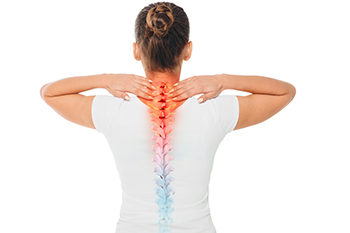
Degenerative disc disease, or DDD, occurs when the intervertebral discs, which act as cushions between the bones of the spine, deteriorate over time. This condition often leads to pain, stiffness, and reduced mobility, especially in the lower back or neck. While DDD is a natural part of aging, it can be accelerated by factors such as injury, obesity, or poor posture. The breakdown of discs may lead to other spine-related issues, like herniated discs or nerve compression, resulting in additional symptoms such as numbness, tingling, or weakness in the limbs.

Although degenerative disc disease is a chronic condition, chiropractic care can help manage symptoms and improve spinal function. If you are struggling with pain and discomfort from degenerative disc disease, chiropractic care can be an effective, non-invasive option to restore mobility and reduce symptoms. Schedule a chiropractic consultation today to start your journey to a healthier spine!

Degenerative Disc Disease

Is degenerative disc disease a normal part of aging?
Yes, disc changes are very common as we age. Many people have disc degeneration visible on imaging but may not experience any pain. Symptoms occur when the disc changes begin to affect nearby nerves or joints.
Can degenerative disc disease cause leg or arm pain?
Yes. If a damaged disc irritates or compresses a nerve, it can cause radiating pain into the arms (cervical spine) or legs (lumbar spine), sometimes referred to as sciatica.
Does degenerative disc disease get worse over time?
It can progress gradually, but it does not always mean symptoms will worsen. In some cases, pain may improve as the spine stabilizes naturally over time.
What activities should I avoid with degenerative disc disease?
High-impact activities, heavy lifting with poor form, prolonged sitting, and repetitive bending or twisting may worsen symptoms. A provider can recommend safe modifications based on your condition.
scroll to top