Bulging & Herniated Discs Treatment
Bulging and Herniated Discs Treatment in the Kings County, NY (Brooklyn): Brooklyn, Queens County, NY: Queens, Long Island City, Astoria, Flushing, Jamaica, Forest Hills, Sunnyside, New York County, NY (Manhattan):
Manhattan, Harlem, Upper West Side, Upper East Side, Washington Heights, Bronx County, NY: Bronx, Richmond County, NY (Staten Island): Staten Island, Nassau County, NY: Hempstead, Freeport, Long Beach, Glen Cove, Uniondale, Levittown areas

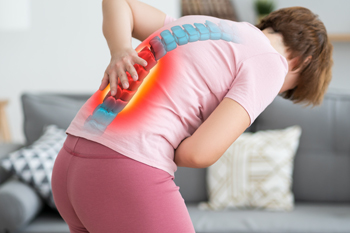
Bulging and herniated discs often cause  back pain, resulting from wear and tear or injury to the spine. A bulging disc occurs when the disc's outer layer weakens, causing it to protrude out of its normal space between the vertebrae. A herniated disc is more severe, as the inner gel-like material of the disc leaks out, irritating nearby nerves.

Both conditions can lead to pain, numbness, or tingling in the back, legs, or arms, depending on which part of the spine is affected. In some cases, the pain can be debilitating, limiting movement and daily activities. Chiropractic care offers a comprehensive strategy for managing bulging and herniated discs. Chiropractors use gentle spinal adjustments to relieve pressure on the nerves, improve disc health, and promote healing. If you are suffering from back pain due to disc issues, visit a chiropractor to explore how adjustments and specialized therapies can provide lasting relief and improve your quality of life.

Bulging and Herniated Discs (FAQs)

Can a bulging or herniated disc heal on its own?
Yes, many disc issues improve over time with conservative care. The body can gradually reabsorb part of the herniated material, and inflammation may decrease. With rest, physical therapy, and proper movement, symptoms often improve within several weeks to a few months.
Is surgery always required for a herniated disc?
No, surgery is not usually the first option. Most patients respond well to non-surgical treatments such as physical therapy, medications, and activity modification. Surgery may be considered if pain is severe, persistent, or causing significant weakness or nerve damage.
How is a bulging or herniated disc diagnosed?
Diagnosis typically begins with a physical examination and review of symptoms. Imaging tests such as an MRI or CT scan may be used to confirm the diagnosis and determine the severity of the disc problem.
Can I continue normal activities with a disc problem?
In many cases, light activity and gentle movement are encouraged, as prolonged bed rest can worsen stiffness. However, heavy lifting, twisting, and high-impact activities should be avoided until symptoms improve. A healthcare provider can recommend a safe and personalized activity plan.
scroll to top